Personal cardsElite Credit CardIs it worth it?
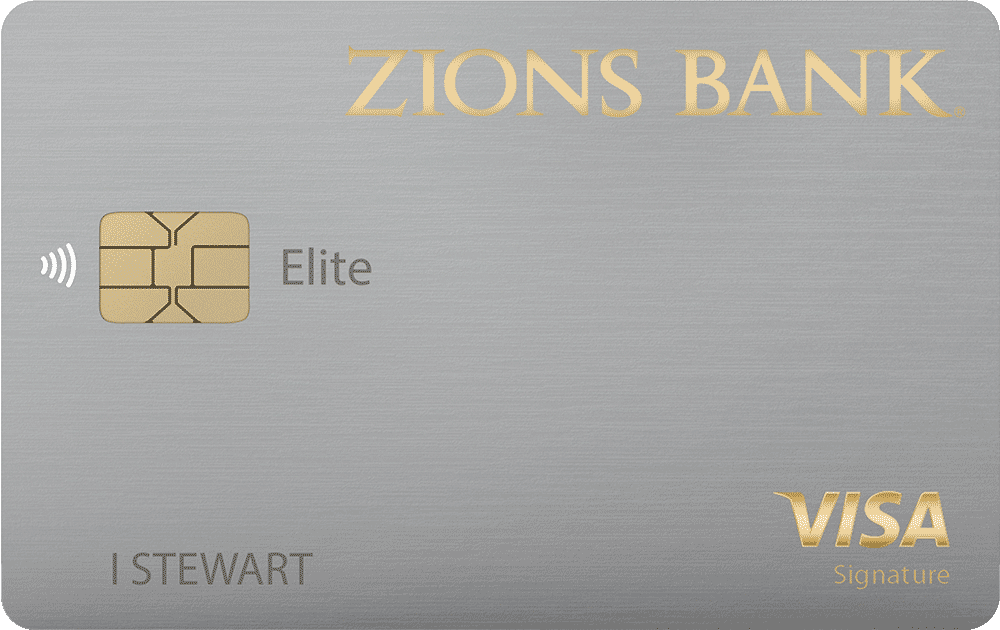
At $30,000 of annual spend, the Elite Credit Card produces an estimated $384/yr, marginally positive after the $195 annual fee. The roughly $100 in statement credits do most of the work, so the result moves directly with how many of them you use.
Figures use Net Annual Value. The headline is ongoing (steady-state) value. The card's page shows Year 1 with the signup bonus.
The evidence
The Math at Your Spend Level
How NAV moves as annual spend rises, at the default profile (no revolving balance, 2-year holding period, no lounge value). Rank with your own spending to plug in real numbers, by total or by category.
The numbers behind the curve, broken down:
| Annual spend | NAV | Cashback | Credits + Bonus | Fee |
|---|---|---|---|---|
| $10,000 | $65 | $160 | $100 | $195 |
| $20,000 | $224 | $319 | $400 | $195 |
| $30,000default profile | $384 | $479 | $400 | $195 |
| $50,000 | $703 | $798 | $400 | $195 |
| $75,000 | $1,103 | $1,198 | $400 | $195 |
| $100,000 | $1,502 | $1,597 | $400 | $195 |
What shifts the answer
Where the Value Comes From
What the headline NAV is actually made of, at $30,000 spend.
Break-Even Analysis
Cashback alone covers the $195 annual fee at roughly $12,300/yr of spend at the default category mix. Below that, the rest of the card's value, including the signup bonus, lounge access, and statement credits is doing the work. Above it, the card is paying for itself on rewards alone.
What Changes the Answer
The headline NAV above assumes an average spending profile. Rank with your own spending to see how the math shifts for your situation.
- You qualify for the signup bonus+$300 one-time
Bonus of $300 requires hitting the spend requirement ($5,000 within 3 months). This bonus counts in full toward the card's Year 1 value (when your spend qualifies) and is excluded from its ongoing value.
- You'll book travel through the card's portal+$100/yr
Travel credit is typically tied to bookings through the card's travel portal (Chase Travel, Capital One Travel, etc.). It applies only to bookings made through the portal. Booking directly with airlines or hotels does not draw it down.
What's the Catch
Where this card's value can evaporate in practice.
- Signup bonus requires $5,000 of spend
If you can't naturally spend $5,000 in 3 months on this card, the signup bonus is unreachable, and the NAV reflects only the ongoing math without it. Spending beyond your normal amount to reach the threshold costs more than the bonus returns.
The call · Net positive
The Reasoning
The Elite Credit Card produces an estimated $384 of net annual value at $30,000 of annual spend. The figure covers rewards, credits, interest, and the annual fee. Anything outside the math, like approval odds or how reliably you use credits, is not in the number.
Cashback alone breaks even on the $195 annual fee around $12,300/yr of spend. Below that, the rest of the card's value (signup bonus, lounge, credits) is doing the work. Above it, the card is paying for itself on rewards alone.
The credit footprint is modest ($100/yr), so this card's value rides on the rewards math and signup bonus, not on engaging with credit programs. That makes it simpler to hold, with a lower ceiling on total value.
Keep exploring
See the Elite Credit Card detail page for source-quoted facts and every reward rule, compare personal cards or all ranked results, or read how the numbers are computed in the methodology.